

Anger Management
- Home
- »
- Anger Management

Anger Management
-
As Ernie Larsen says, anger is the emotional response to real or perceived injustice. it is that feeling of extreme displeasure, frustration, uneasiness, irritation, that is usually brought about by an interference with our needs and desires.
-
When an individual experiences anger; they tend to make decisions or do an action in impulsively which could create tensions, friction and problems in one’s relationships.
-
Experiencing Anger is a part of emotions and cannot be suppressed but due to extreme anger or losing temper in anger makes the individual lose their understanding of right and wrong due to which they tend to regret and feel guilty for their actions once the anger cools down.Anger is often triggered by certain event and is often counterproductive. The behaviour changes of anger is destructive to both oneself and people around them if it is left uncontrollable.
-
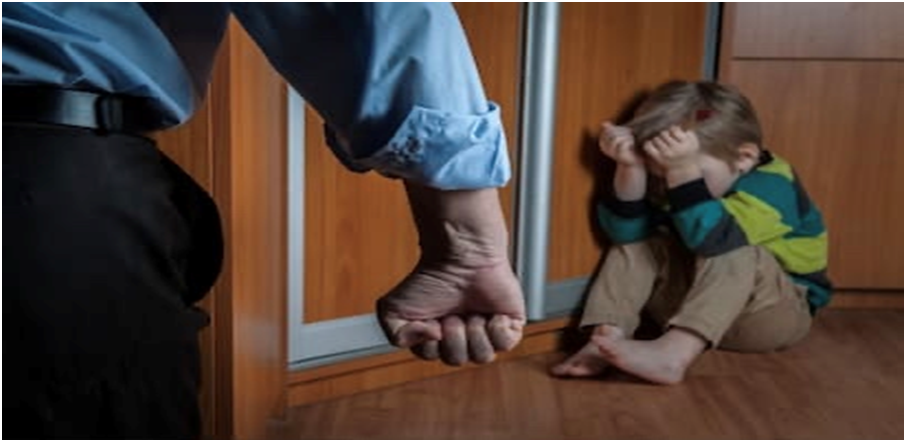
Anger makes you take a stand for yourself but at the same time it could be destructive when the defence mechanism of displacement happens in Anger for instance someone who is frustrated at his or her boss at work may go home and project his anger on their kids.
-
It can range from mild to strong depending on the situation and our action. Anger has the most negative impact when it comes out in an aggressive and unhealthy manner.
-
Anger management is that ability we require to be able to control our extreme displeasure and redirect our intense emotions towards more productive avenues. It is neither right nor wrong to feel angry but it should be released in a right way.
-
The behaviour changes of anger is damaging to both themselves and others. When anger is shown towards oneself the person becomes quiet or may tend to harm themselves, which affects their overall well being.
How Therapy would help in Anger Management
-
Individuals who burst out their anger often believe that it is not in their control. The therapist makes the individual have an understanding that the situation may not be in their control but the individual has the control on how they express their anger by being mindful of the warning signs that makes them lead towards the anger such as clenching of the fist, grinning of the teeth, raising tone are a few examples which could make the individual take a control over their behaviour and try to let the anger out in a healthier way. These anger management techniques help you do exactly that.
-
Through therapy a person will be taught techniques to help one manage anger and deal with it in more constructive ways. Therapy guides people in ways that one might feel unable to do by themselves.
-
Anger Management doesn’t have to be suppression of anger , it is the expressing of anger in a healthy and controlled way, Mastering the art of anger management takes work, the more you put in the effort and with the support of your therapist , the easier it would be for you.
-
The therapist would be helping the client in recognition of the behaviour, identifying the trigger points , realise the pattern , the warning signs and help them realise the anger with cognitive behaviour therapy or guided visualisation or some of the tools that would help the client to calm themselves and focus on their strengths without getting affected by the situation.